
Modern business success is no longer defined solely by the quality of a product, but rather by the seamless nature of the interaction between a brand and its audience. In today’s hyper-competitive global market, enterprise-level organizations are moving away from traditional transactional models in favor of deep, meaningful relationship building.
The complexity of the modern digital landscape means that a single customer might interact with a brand across dozens of different touchpoints, from social media and mobile apps to physical stores and support centers. Managing this intricate web of interactions requires more than just a simple database; it demands sophisticated platforms capable of real-time data integration and predictive analysis. Enterprise Client Journey Optimization is the process of mapping, analyzing, and improving these specific paths to ensure maximum satisfaction and long-term brand loyalty.
By utilizing high-end optimization platforms, businesses can identify friction points that cause customers to abandon their journey and resolve them before they impact the bottom line. As a strategic specialist in consumer behavior, I have seen how the right technology can turn a fragmented series of events into a cohesive and delightful experience. This comprehensive guide explores the essential tools and strategies that are helping the world’s leading companies master the art of the customer journey.
The Evolution of the Digital Customer Path
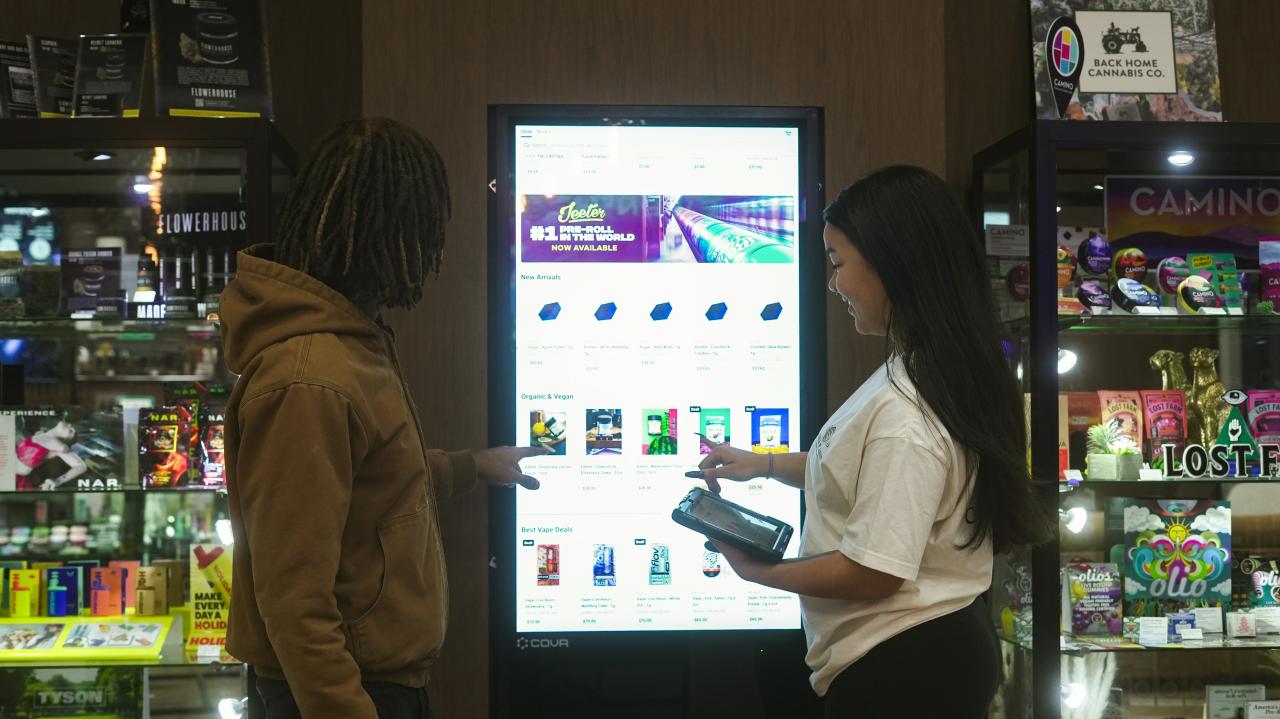
The way people interact with businesses has shifted from a straight line to a complex, multi-dimensional web of digital and physical touchpoints. Years ago, a customer would see an ad, visit a store, and make a purchase, but today’s journey is far more unpredictable. A modern client might discover a product on an influencer’s feed, research it on a third-party review site, and then use a chatbot for pricing before finally buying.
A. Mapping Multichannel Touchpoints Across Global Markets
B. Transitioning from Reactive Support to Proactive Engagement
C. Integrating Offline Interactions with Digital Data Streams
D. Prioritizing Mobile-First Experiences in the Modern Economy
E. Understanding the Psychology of Digital Decision Making
Optimization platforms provide the visibility needed to see this entire path in one unified view. Instead of looking at individual departments, these tools allow executives to see the brand through the eyes of the consumer. This holistic perspective is the only way to identify where the “leaks” are happening in your sales and retention funnels.
Harnessing Artificial Intelligence for Predictive CX
Artificial Intelligence is the engine that drives modern journey optimization by processing millions of data points to predict future behavior. Instead of just looking at what a customer did yesterday, AI allows platforms to anticipate what they will need tomorrow. This shift toward “anticipatory service” is what separates industry leaders from those who are merely keeping up with the competition.
A. Utilizing Machine Learning for Real-Time Personalization
B. Implementing Predictive Churn Analysis for Retention
C. Automated Sentiment Analysis of Social Media and Reviews
D. AI-Driven Recommendation Engines for Cross-Selling
E. Dynamic Content Delivery Based on User Intent
Predictive models can flag a customer who is likely to leave your service based on a specific pattern of behavior. Once identified, the platform can automatically trigger a personalized offer or a proactive reach-out from a success manager. This type of automated empathy creates a safety net that protects your most valuable client relationships.
The Role of Real-Time Data Orchestration
Data is often described as the new oil, but it is only valuable if it is refined and directed to the right place at the right time. Real-time orchestration ensures that every department—from marketing to sales to support—has the exact same information about a client the moment they interact. This prevents the common frustration of a customer having to repeat their story every time they speak to a new representative.
A. Synchronizing Data Across Cloud-Based CRM Systems
B. Building Single Source of Truth Customer Profiles
C. Managing Privacy and Compliance in Data Transfers
D. Streamlining Event-Triggered Messaging Workflows
E. Enhancing Inter-Departmental Collaboration via Unified Dashboards
When your systems are orchestrated, a support ticket can immediately inform a sales rep’s next conversation. This level of synchronization makes even the largest enterprise feel like a small, attentive boutique to the client. It turns cold data into warm, personalized experiences that build lasting emotional connections.
Advanced Sentiment Analysis and Voice of the Customer
Understanding “what” a customer did is easy, but understanding “why” they did it requires a deep dive into sentiment analysis. Advanced optimization platforms use natural language processing (NLP) to read between the lines of emails, reviews, and survey responses. This allows businesses to quantify the emotional state of their audience and adjust their strategies accordingly.
A. Interpreting Emotional Cues in Customer Support Tickets
B. Tracking Brand Perception Shifts Across Social Media
C. Utilizing Net Promoter Score (NPS) and CSAT Data
D. Identifying Recurring Friction Points in Qualitative Feedback
E. Correlating Sentiment Trends with Financial Performance
Voice of the Customer (VoC) programs gather raw feedback and turn it into actionable insights for product development teams. If customers are consistently frustrated with a specific software feature, the platform highlights this trend before it leads to a mass exit. Listening at scale is the only way to stay relevant in an era where consumer preferences change overnight.
Optimizing the Frictionless Checkout Experience
In many enterprise journeys, the “last mile”—the checkout and payment process—is where most friction occurs. A complicated payment flow or a lack of localized currency options can destroy months of hard work in an instant. Optimization platforms focus heavily on this stage to ensure that the transition from “interested” to “owner” is as smooth as possible.
A. Simplifying Multi-Step Checkout Processes for Speed
B. Integrating Localized Payment Gateways for Global Users
C. Implementing One-Click Reordering for Repeat Clients
D. Reducing Cart Abandonment Through Behavioral Triggers
E. Enhancing Post-Purchase Confirmation and Tracking
A frictionless checkout is invisible; the customer barely notices it because it works exactly as they expect. By removing even one or two unnecessary fields in a form, an enterprise can see a massive jump in conversion rates. The goal is to make the act of purchasing feel like a natural and effortless conclusion to the journey.
Personalized Engagement Through Behavioral Segmentation
Treating every customer the same is a recipe for mediocrity in the modern enterprise landscape. Behavioral segmentation allows platforms to group clients based on how they actually use a product, rather than just their age or location. This leads to highly targeted communication that feels like a 1-on-1 conversation rather than a mass broadcast.
A. Categorizing Users by Engagement Level and Frequency
B. Designing Tailored Rewards for High-Value Loyalists
C. Customizing Re-Engagement Campaigns for Inactive Users
D. Developing Lifecycle-Based Communication Strategies
E. Utilizing Geographic Data for Culturally Relevant Messaging
When you send a specific tutorial to a user who is struggling with a new feature, you are providing value, not spam. Behavioral data allows you to reward your most loyal fans with exclusive access before they even ask for it. This proactive recognition is a powerful driver of long-term brand advocacy and high lifetime value.
Measuring Success Through Customer Lifetime Value
The ultimate metric for any journey optimization strategy is the growth of Customer Lifetime Value (CLV). Instead of focusing only on the immediate sale, enterprise platforms look at the total projected revenue a client will bring over several years. This long-term view changes how companies invest in their customer experience and support teams.
A. Tracking Long-Term Revenue Patterns per Segment
B. Identifying High-Potential Clients Early in the Journey
C. Measuring the Impact of CX Improvements on Retention
D. Balancing Customer Acquisition Costs with Lifetime Value
E. Analyzing the Financial Benefits of Brand Advocacy
Focusing on CLV helps a company realize that spending extra on a high-touch onboarding process is worth it if it keeps the client for five years instead of five months. High-end platforms provide the calculators and dashboards needed to prove this ROI to the C-suite. When CX is tied to the balance sheet, it finally gets the investment it deserves.
Designing for Accessibility and Neuroinclusivity
A truly optimized journey is one that is accessible to everyone, regardless of their physical or cognitive abilities. Modern enterprise platforms are increasingly focusing on inclusive design principles to ensure that their digital assets are usable for all. This is not just about legal compliance; it is about expanding your market reach to include every potential client.
A. Adhering to Global Web Content Accessibility Guidelines
B. Designing for Diverse Cognitive and Sensory Needs
C. Providing Flexible Interaction Options (Voice, Text, Visual)
D. Simplifying Language for Better Clarity and Understanding
E. Testing User Interfaces with Diverse Demographic Groups
Inclusive design often makes the experience better for everyone, not just those with specific needs. A cleaner interface with high contrast and clear navigation helps a distracted parent just as much as someone with a visual impairment. Being a “human-first” brand means making sure no one is blocked from interacting with your business.
Omnichannel Support and the Human Element
Despite the rise of AI and automation, there are moments in the journey where only a human being will do. Optimization platforms facilitate a smooth hand-off between digital bots and human representatives, ensuring that the context of the conversation is never lost. The goal is to use technology to augment human empathy, not to replace it entirely.
A. Facilitating Seamless Bot-to-Human Hand-offs
B. Empowering Support Staff with Real-Time Client Context
C. Implementing Co-Browsing for Complex Technical Support
D. Utilizing Video Support for Personalized High-Stakes Issues
E. Training Staff on Empathy and Emotional Intelligence
A representative who knows exactly what you were looking at on the website before you called can solve your problem in half the time. This “contextual awareness” makes the customer feel seen and valued as an individual. In a world of cold algorithms, the human touch remains a powerful competitive advantage.
Building a Feedback Loop for Continuous Improvement
Journey optimization is not a project with a start and end date; it is a continuous cycle of listening, testing, and refining. The best platforms allow for rapid A/B testing of different journey paths to see which versions lead to better outcomes. This culture of experimentation ensures that the brand is always evolving alongside its customers’ expectations.
A. Implementing Rapid Prototype Testing for New Features
B. Conducting Regular Journey Audits to Find Hidden Friction
C. Utilizing Heatmaps to Understand On-Site User Behavior
D. Encouraging Cross-Functional Teams to Share CX Insights
E. Setting Incremental Goals for Constant Service Evolution
When every department is focused on the feedback loop, the company becomes much more agile. If a marketing campaign is bringing in the wrong type of leads, the data tells you immediately so you can pivot. Constant refinement is the only way to maintain a “best-in-class” experience in a shifting economy.
Conclusion
Mastering the enterprise client journey is the most critical strategy for modern brand survival. Technology must be used to enhance the human connection rather than create a barrier between the brand and the buyer. Optimization platforms offer the essential visibility required to manage complex and fragmented digital touchpoints. Artificial Intelligence provides the predictive power needed to stay one step ahead of customer needs and expectations. Data orchestration ensures that every department in the organization is working from the same script.
Focusing on Customer Lifetime Value shifts the company’s perspective from short-term gains to long-term stability. Inclusive design ensures that your brand is accessible and welcoming to every segment of the global population. Real-time sentiment analysis allows you to hear the unspoken needs of your audience before they become problems. Frictionless transactions and personalized engagement are the two pillars of high-retention business models. Continuous improvement through a dedicated feedback loop is the only way to stay competitive in a digital world. Investing in these platforms is an investment in the very heart of your business’s relationship with the world.