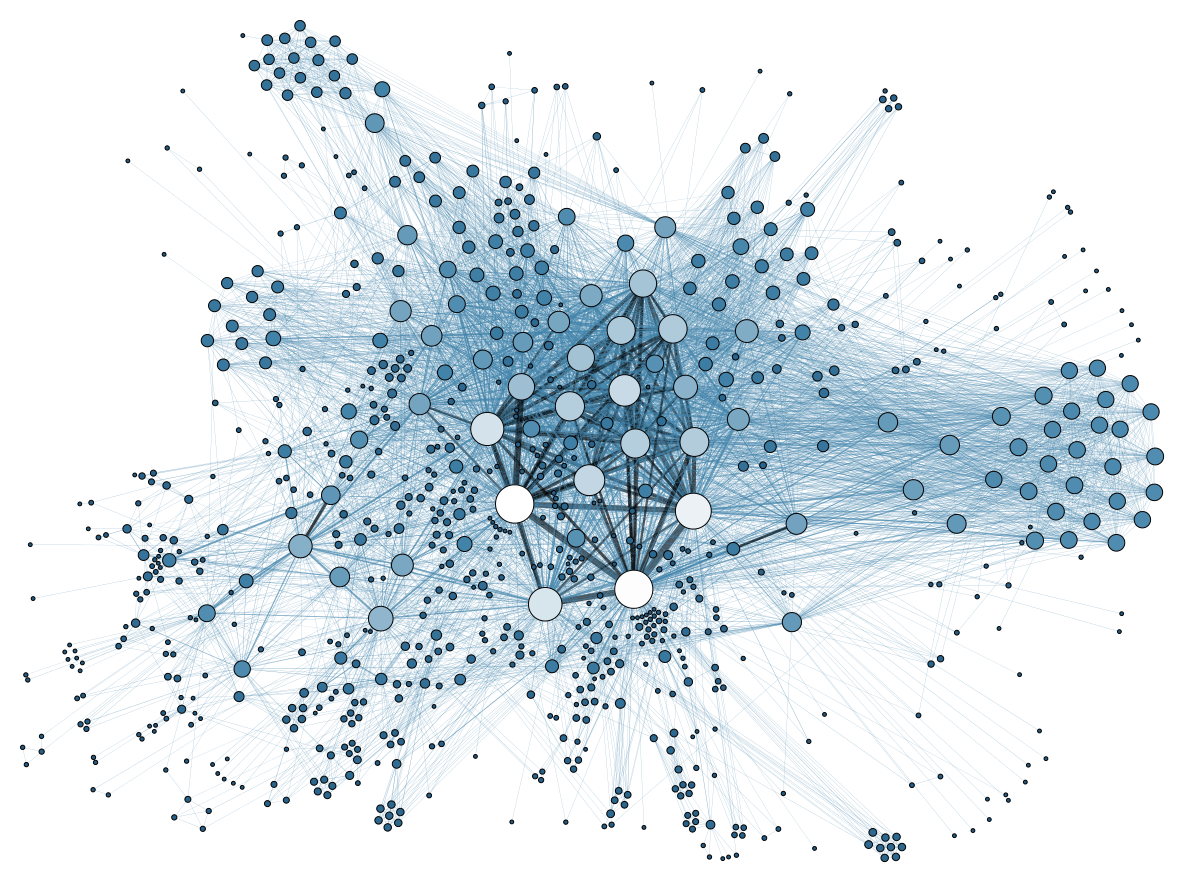
In the modern digital economy, data has supplanted oil as the world’s most valuable resource. It is the fuel that powers Artificial Intelligence (AI), the compass that guides business strategy, and the foundation upon which personalized customer experiences are built. However, possessing vast quantities of data is meaningless without the ability to extract actionable insights and apply them strategically. Many organizations sit on mountains of untapped information, failing to transform raw bytes into genuine business value. Unlocking the power of data requires a holistic, systematic approach—one that integrates sophisticated collection techniques, advanced analytical tools, and a strong organizational culture that prioritizes data-driven decision-making. This comprehensive guide details the essential phases, technologies, and governance frameworks needed to maximize your digital assets and achieve competitive superiority through intelligent data utilization.
The Strategic Imperative: Data as a Core Business Asset
The shift from viewing data as a mere byproduct of operations to recognizing it as a strategic asset is the crucial first step in any successful data initiative. Data is the key differentiator in competitive markets, offering insights that competitors overlook.
A. Competitive Advantage Through Prediction The ultimate power of data lies in its ability to facilitate predictive analytics. By analyzing historical trends and real-time behavioral patterns, businesses can forecast future outcomes with increasing accuracy.
- A. Customer Churn Prevention: Predicting which customers are likely to leave and proactively intervening with personalized retention offers.
- B. Demand Forecasting: Optimizing inventory and supply chains by accurately predicting future demand for specific products, minimizing waste and stock-outs.
- C. Market Trend Anticipation: Identifying nascent shifts in consumer behavior or technology adoption before they become mainstream, allowing for preemptive product development and strategic pivoting.
B. Enhancing Operational Efficiency Data provides a clear, quantitative view of internal processes, revealing bottlenecks, inefficiencies, and hidden costs that traditional reporting often misses.
- A. Supply Chain Optimization: Tracking the movement of goods, identifying delivery delays, and optimizing routing to reduce fuel costs and delivery times.
- B. Equipment Maintenance: Implementing predictive maintenance using data from IoT sensors to detect early signs of equipment failure, scheduling maintenance before a breakdown occurs, saving significant downtime and repair costs.
- C. Resource Allocation: Using historical project data to accurately estimate the time and personnel required for new initiatives, ensuring optimal deployment of human and financial capital.
C. The Data Value Chain For data to unlock its full potential, it must move seamlessly through a systematic value chain: Collection Storage Processing Analysis Action Value. Any break in this chain limits the ultimate business value derived. Understanding this flow is vital for designing robust data infrastructure.

Phase One: Robust Data Collection and Governance
The quality of the insights you generate is entirely dependent on the quality of the data you collect. Poor data hygiene leads to flawed models and disastrous decision-making.
A. Implementing High-Fidelity Data Collection Modern data environments require moving beyond simple transaction logs to capture rich, nuanced behavioral and contextual data.
- A. Customer Journey Mapping: Utilizing sophisticated tracking tools to map every touchpoint a customer has with a brand across all channels (website, app, social media, physical store) to build a unified, 360-degree customer view.
- B. IoT and Sensor Data: Leveraging the Internet of Things (IoT) to stream vast amounts of real-time data from devices, machinery, and environments, providing context critical for operational efficiency and predictive modeling.
- C. Dark Data Extraction: Identifying and integrating currently unused or unstructured data sources, such as email content, customer service transcripts, or internal documents, which often contain rich, untapped insights into customer sentiment and internal processes.
B. Establishing Data Governance and Quality Data governance is the system of policies and procedures that ensures data is accurate, reliable, accessible, and compliant with regulations. Without it, the data ecosystem collapses into chaos.
- A. Data Standardization: Enforcing consistent formats, definitions, and naming conventions across all data sources to ensure compatibility and integration.
- B. Data Cleansing and Validation: Implementing automated routines to identify and correct errors, duplicates, and inconsistencies in data (e.g., correcting misspelled addresses, merging duplicate customer records).
- C. Metadata Management: Creating detailed descriptions (metadata) for every data asset, clarifying its source, lineage, update frequency, and purpose. This is crucial for analysts and compliance teams to understand and trust the data.
C. Ensuring Data Security and Compliance With stringent regulations like GDPR and CCPA, data utility must be balanced with privacy and security.
- A. Anonymization and Pseudonymization: Implementing techniques to mask or scramble personally identifiable information (PII) to allow for analysis without compromising individual privacy.
- B. Access Controls: Defining clear, role-based access controls to ensure that only authorized personnel can view or utilize sensitive data assets.
- C. Data Lineage Tracking: Maintaining a complete audit trail that documents the data’s journey from its source to its final resting place, which is vital for regulatory compliance and debugging analytical errors.
Phase Two: Modern Storage and Processing Architecture
Traditional data warehousing is often inadequate for handling the sheer Volume, Velocity, and Variety (the 3 V’s) of modern data. A flexible, scalable architecture is necessary.
A. The Data Lakehouse Architecture The latest evolution in data storage is the Data Lakehouse, which combines the flexibility and low cost of a Data Lake (for storing massive amounts of raw, unstructured data) with the structure and ACID (Atomicity, Consistency, Isolation, Durability) transactions of a Data Warehouse.
- A. Scalability and Flexibility: Allows organizations to store petabytes of data of any type (text, audio, video, sensor data) and scale compute resources independently of storage.
- B. Unified Access: Provides a single source of truth that supports traditional Business Intelligence (BI) reporting alongside complex Machine Learning workloads, eliminating data silos.
B. Cloud-Native Processing Power Cloud platforms (AWS, Azure, Google Cloud) offer elastic and scalable compute services essential for processing vast datasets rapidly.
- A. Distributed Computing: Utilizing frameworks like Spark or Dask on the cloud to break down large data processing tasks into smaller parts executed in parallel across hundreds of servers, dramatically reducing processing time.
- B. Serverless Architecture: Leveraging serverless services that automatically scale compute resources up or down based on demand, ensuring cost efficiency while maintaining performance during peak loads.
C. The Role of Real-Time Data Streaming Many critical business decisions—such as fraud detection, personalized recommendation delivery, and predictive maintenance alerts—require sub-second response times.
- A. Event Streaming Platforms: Using technologies like Apache Kafka to ingest and process streams of data events (e.g., website clicks, financial transactions, sensor readings) as they occur, ensuring immediacy.
- B. In-Memory Computing: Storing frequently accessed data directly in fast RAM instead of on disk to provide near-instantaneous retrieval and processing speeds crucial for real-time analytics.
Phase Three: Advanced Analytics and AI Applications
This is where the true power of data is unlocked, transforming processed information into genuine, actionable intelligence through advanced mathematical and statistical models.
A. Transitioning from Descriptive to Prescriptive Analytics Organizations must progress up the analytical maturity curve:
- A. Descriptive Analytics: What happened? (Standard reports, dashboards). This tells you what occurred.
- B. Diagnostic Analytics: Why did it happen? (Drill-downs, root cause analysis). This explains why the event took place.
- C. Predictive Analytics: What will happen? (Forecasting, risk scoring). This tells you what is likely to occur next.
- D. Prescriptive Analytics: What should we do? (Optimization, decision support). This automatically recommends the best course of action. Prescriptive analytics represents the highest value, guiding automated, optimal business decisions.
B. Leveraging Machine Learning for Insight Generation Machine Learning (ML) is the primary tool for extracting complex, non-obvious patterns from large datasets.
- A. Clustering and Segmentation: Using unsupervised ML to automatically group customers into highly specific behavioral segments that human analysts might not identify, enabling hyper-personalized marketing.
- B. Deep Learning for Unstructured Data: Employing sophisticated deep neural networks for tasks like Natural Language Processing (NLP) to analyze sentiment in customer feedback or Computer Vision to analyze images and video for quality control.
- C. Model Explainability (XAI): As ML models become more complex, it is crucial to understand how they arrive at their conclusions (e.g., “Why was this customer denied a loan?”). Explainable AI (XAI) is essential for regulatory compliance and building trust in the model’s output.
C. Data Visualization and Storytelling Even the most brilliant insight is useless if it cannot be communicated effectively to decision-makers.
- A. Interactive Dashboards: Creating dynamic, visually rich dashboards that allow users to explore data themselves, rather than relying solely on static reports.
- B. Focus on Metrics that Matter: Clearly linking visual metrics to key business outcomes (Key Performance Indicators or KPIs), ensuring the data drives action, not just observation.
- C. Data Storytelling: Using visual tools and narrative context to transform complex analytical findings into a compelling story that resonates with non-technical stakeholders, driving organizational change.
Phase Four: Cultivating a Data-Driven Culture
Technology and data architecture are only half the battle. True data power is unlocked when the entire organization adopts a culture where intuition is tested against, and guided by, empirical evidence.
A. Democratization of Data Access Data should not be confined to a specialized “data science silo.” To maximize its power, data access and basic analytical tools must be provided to a wide range of employees.
- A. Self-Service BI Tools: Implementing user-friendly Business Intelligence tools (e.g., Tableau, Power BI) that enable employees in marketing, sales, and operations to run their own reports and answer basic business questions without relying on the data team.
- B. Data Literacy Training: Providing ongoing training to all employees on how to interpret core metrics, understand basic statistical principles, and avoid common data visualization pitfalls.
B. Leadership Commitment A data-driven culture starts at the top. Senior leaders must champion the use of data in every major decision.
- A. Lead by Example: Executives must demand data to validate assumptions before approving major initiatives and be willing to challenge long-held beliefs when data suggests a different path.
- B. Establish Data Metrics: Incentivizing teams and individuals based on data-driven KPIs rather than purely subjective or activity-based measures.
C. Promoting Experimentation and A/B Testing The foundation of a data culture is the relentless pursuit of empirical evidence through testing.
- A. Hypothesis-Driven Approach: Encouraging teams to formulate clear, testable hypotheses before launching new products or marketing campaigns.
- B. A/B Testing Infrastructure: Investing in robust infrastructure that allows for continuous, randomized controlled experiments (A/B testing) on websites, apps, and marketing materials to measure the precise impact of changes before full rollout.
Conclusion
Unlocking the power of data is the defining competitive battleground of the 21st century. It is a complex, continuous journey that requires significant investment in three pillars: secure and scalable technology, advanced analytical talent, and a data-driven organizational culture. By successfully navigating the entire data value chain—from robust, compliant collection to the application of prescriptive AI—organizations can move beyond simply reacting to the market. They gain the ability to predict the future, personalize every customer interaction, and optimize every facet of their operation, securing lasting profitability and market leadership in the era of digital intelligence.