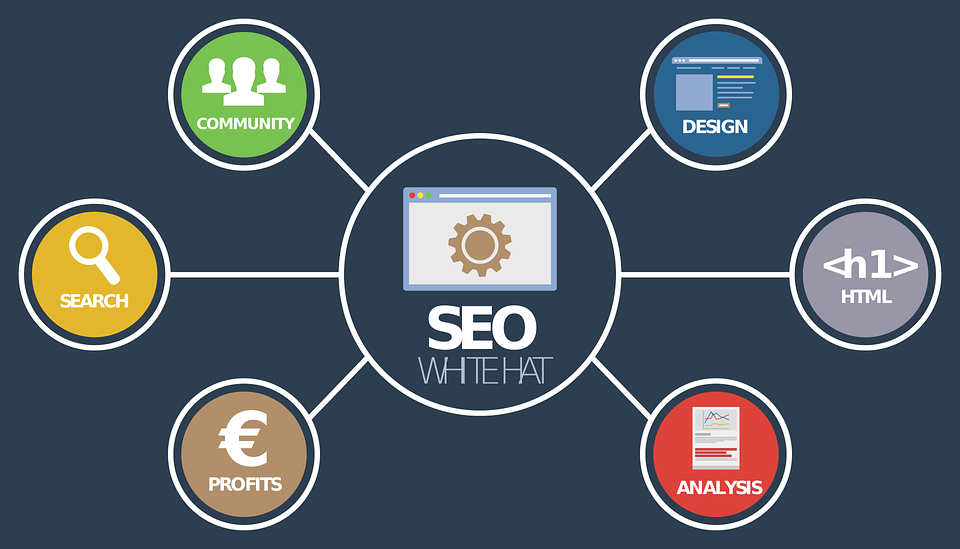
The User Experience (UX) and User Interface (UI) landscape in 2025 is defined by a confluence of advanced technology and a deepening commitment to human-centric principles. The core trends revolve around making interfaces smarter, more immersive, and universally accessible. Designers are moving away from static, one-size-fits-all layouts toward dynamic, personalized systems driven by Artificial Intelligence, while also preparing for the shift to 3D and spatial computing. For brands seeking maximal SEO and AdSense performance, these trends translate directly into higher engagement, lower bounce rates, and superior conversion funnels.
I. The AI Revolution in Design and Personalization
Artificial Intelligence (AI) has moved beyond simple chatbots to become an essential tool for designers, fundamentally changing workflows and enabling true, real-time personalization.
A. Hyper-Personalization Driven by AI Personalization is no longer just about content recommendation; it’s about the interface itself adapting to the individual user’s needs, habits, and context in real-time.
A. Dynamic UI Elements: AI analyzes user behavior (click patterns, scroll speed, session duration) to dynamically adjust layouts, navigation paths, menu structures, and even color palettes to align with individual preferences and intent.
B. Predictive Interfaces: These systems anticipate the user’s next action, minimizing steps and offering what the user needs before they search for it. For example, a dashboard might automatically highlight a critical project based on recent activity and deadlines.
C. Emotional Recognition: Advanced AI models are starting to analyze keystroke dynamics or subtle behavioral cues to detect frustration. If frustration is detected, the system can proactively offer simplified workflows or instant support, creating an emotion-driven design experience.
B. Generative AI as a Design Collaborator AI tools are automating repetitive, low-value tasks, allowing designers to focus on high-level strategy and creativity.
A. Automated Prototyping and Wireframing: Generative AI can create detailed mockups, layout suggestions, and even A/B test variations from simple text prompts or a design brief, drastically accelerating the prototyping phase.
B. Design System Consistency: AI can be trained on a brand’s specific design system to automate component generation, ensure accessibility compliance, and identify inconsistencies across a large product ecosystem.
C. Text-to-Design: Tools leverage natural language processing to translate descriptive text into visual components, enabling rapid iteration and empowering non-designers (like product managers) to contribute to early-stage design.
II. The Move Towards Immersive and Spatial UI
The advancement of AR/VR and the rise of spatial computing platforms like Apple Vision Pro are pushing interfaces beyond the 2D screen into three-dimensional space.
A. Immersive 3D Elements and Kinesthetic Typography Interfaces are incorporating depth, realism, and motion to enhance engagement and utility.
A. Functional 3D Design: This goes beyond aesthetics; it involves using interactive 3D elements for functionality, such as 360° product views in e-commerce or realistic, layered dashboards that utilize depth for visual hierarchy.
B. Kinetic and Expressive Typography: Text is becoming a dynamic, interactive element. Motion (directional movement, color shifts, scale variations) is used to draw attention, evoke emotion, and guide the user’s focus, making interfaces feel more alive and memorable.
C. Morphism Aesthetics: Sub-trends like Glassmorphism (frosted-glass look with layered transparency) and a refined, functional version of Skeuomorphism (using subtle shadows and bevels to create tactile, realistic UI elements) are gaining popularity to add depth and tangibility without compromising clarity.
B. Spatial Computing and New Interaction Modes This shift requires designers to think about interaction within a 3D volume rather than a flat plane.
A. Voice User Interfaces (VUI): Voice commands, powered by highly accurate AI, are becoming the primary interaction mode for many apps, wearables, and smart devices, demanding that designers prioritize conversational and contextual accuracy.
B. Gesture and Touchless Interactions: As touchless devices and spatial computing headsets become mainstream, designers must create intuitive interfaces that respond to natural gestures (e.g., eye gaze, hand motions, finger tapping) for navigation and control, making interactions more seamless and hands-free.
C. Multi-Sensory Feedback: Immersive interfaces will increasingly use haptic feedback (tactile cues) and spatial audio to provide a richer, more realistic layer of confirmation and guidance, especially critical in AR/VR environments.
III. The Non-Negotiable: Accessibility and Ethical Design
Accessibility and inclusivity are no longer optional features but are deeply embedded requirements for modern, ethical digital products.
A. Accessibility as a Foundation (Not an Afterthought) With expanding legal requirements and growing user awareness, design systems must prioritize accessibility from the outset.
A. Built-in Accessible Components: Design systems are featuring pre-built components that are compliant with WCAG standards out of the box (e.g., proper color contrast, keyboard navigation support, clear focus states).
B. Neuro-Diverse Design: A growing focus on accommodating diverse cognitive and sensory needs, such as designing for users with dyslexia (e.g., font adjustments) or sensory processing disorders (e.g., simplified, predictable motion design).
C. AI-Enabled Accessibility Audits: AI tools automatically scan designs and code for accessibility gaps, providing real-time, actionable feedback to ensure compliance across all platforms.
B. Transparency and Privacy Controls Driven by AI’s heavy reliance on user data, ethical design practices are paramount for building user trust.
A. Granular Privacy Controls: Designers are providing clear, easy-to-use interfaces that give users granular control over what data is collected and how it is used, often utilizing metaphors like toggles and visual timelines.
B. Transparency in Personalization: Interfaces are designed to explain why content or a layout is personalized (e.g., a small label saying, “Recommended because you viewed product X last week”), reducing the “creepy factor.”
C. Sustainable and Eco-Conscious Design: There’s a nascent trend toward optimizing designs for energy efficiency (e.g., using lightweight code, minimizing heavy animations, prioritizing Dark Mode), aligning digital experiences with user ethical awareness.
IV. Aesthetic and Engagement Trends
While function drives the core UX, subtle UI aesthetics and engagement mechanisms continue to evolve to delight users and promote retention.
A. Functional Motion and Micro-Interactions Motion is used strategically to guide the user’s attention, not simply for decoration.
A. Purposeful Micro-Interactions: Small, subtle animations (e.g., a button ripple on click, a tiny wiggle on a notification) provide instant, satisfying feedback, making the interface feel responsive and intuitive.
B. Smooth Transitions: Effortless transitions between screens or states maintain context for the user, improving flow and reducing cognitive load, which contributes to overall usability.


B. Gamification and Custom Cursors
A. Integrated Gamification: Elements like progress bars, streaks, badges, and leaderboards are seamlessly integrated into workflows to motivate users and encourage long-term habit formation, turning mundane tasks into engaging experiences.
B. Dynamic Cursors: The cursor is transforming from a static arrow into an interactive, branded element that provides dynamic feedback—changing shape, size, or color based on the element it hovers over, adding a layer of delight and personality.
C. The Bento Box Layout This layout style organizes content into neat, visually distinct, grid-based containers (like the compartments of a Japanese bento box).
A. Clear Hierarchy: The segmented nature makes complex dashboards and landing pages easier to scan and digest, improving readability and scannability.
B. Personalized Dashboards: This structure is ideal for allowing users to personalize their view, rearranging or collapsing components based on their individual priority or workflow.
V. Impact on SEO and AdSense Revenue
Mastering these UX/UI trends is directly correlated with superior digital performance, which impacts your search rankings and monetization.
A. Improved Core Web Vitals: Focus on speed (e.g., lighter 3D assets, optimized code) and stability (e.g., minimal layout shift) inherent in the new UI trends directly addresses Google’s Core Web Vitals, boosting SEO.
B. Higher Engagement: Hyper-personalization, functional motion, and gamification lead to lower bounce rates and higher Time-on-Page/Time-on-Site, strong signals that indicate high content quality and relevance to search engines.
C. Maximized AdSense CTR: A well-designed, intuitive interface with clear visual hierarchy ensures users can easily consume content and, crucially, interact with targeted ads. AI-driven personalization can even ensure the most relevant ad types are displayed to the individual user, maximizing Click-Through Rates (CTR) and Revenue Per Visitor (RPV).